100 Days of School Little Miss 100 Days: A Practical Guide to Choosing the Right Digital Design
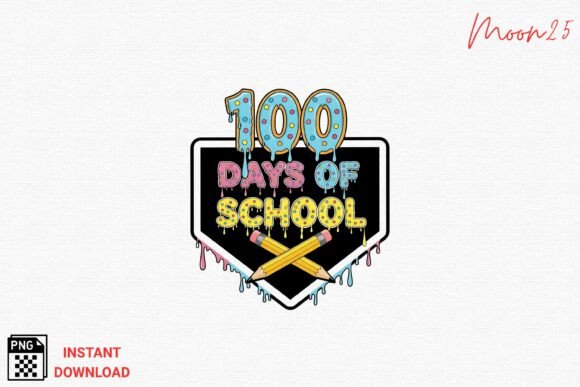
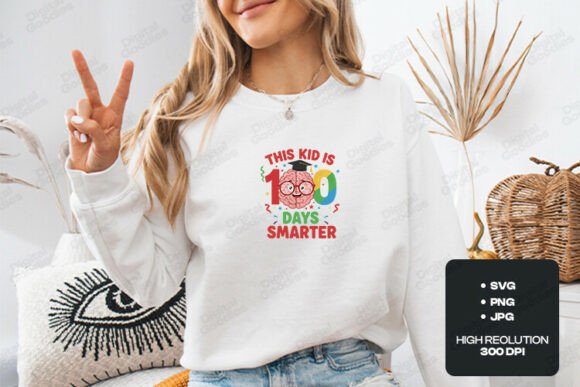
Celebrating the 100 Days of School Little Miss 100 Days milestone is a cherished tradition in elementary education. It marks a significant achievement for young learners, symbolizing a century of daily attendance and growing knowledge. For educators, parents, and small business owners creating custom apparel or classroom decorations, selecting the right digital asset is crucial. The "Little Miss 100 Days Smarter" design has become a popular choice due to its vibrant aesthetic, featuring colorful numbers, apples, books, pencils, hearts, and playful patterns. However, navigating the world of digital sublimation files requires more than just picking an image that looks cute on a screen. Understanding technical specifications, licensing, and application methods ensures that your final product matches the excitement of the occasion.
Understanding the Digital Asset
When you purchase a digital file described as a Little Miss 100 Days Smarter PNG, you are acquiring a high-resolution graphic with a transparent background. This format is essential for sublimation printing, heat transfer vinyl (HTV), and other craft applications because it allows the design to blend seamlessly onto various fabrics and surfaces without a boxy white border. The typical package includes six high-quality PNG files within a zipped folder, ensuring you have enough variations for different shirt sizes or project types. These designs are intended to be non-editable raster images, meaning they are ready to print rather than serve as editable vector templates.
The visual elements—cheerful daisies, school supplies, and bold typography—are designed to appeal to kindergarteners and primary grade students. The "smarter" theme adds an educational twist, making it ideal for teachers looking to celebrate academic milestones alongside attendance records. Whether you are creating t-shirts, hoodies, tote bags, or stickers, having a crisp, clear source file is the foundation of a professional-looking result.
Common Mistakes in Selection and Usage
Many creators rush into printing without considering the technical nuances of digital graphics. One frequent error is assuming all PNG files are created equal. Not every "high resolution" file is suitable for large-format prints. If a file is compressed or lacks sufficient pixel density, it will appear pixelated or blurry when scaled up on a hoodie or poster. Always check the dimensions and DPI (dots per inch) before downloading. A standard rule of thumb is that for sublimation, your image should be at least 300 DPI at the size you intend to print.
Another oversight involves the distinction between personal and commercial use. While many designers offer their work for personal classroom projects, selling items made from these designs often requires a specific commercial license. Using a personal-use file for a small business venture can lead to legal complications. Conversely, some creators restrict the number of physical items that can be produced under a single purchase. Failing to read the terms of service can result in unexpected costs or the need to repurchase assets.
There is also a misconception about editability. Because the product description states "PNG And Text Not Editable," users might attempt to open the file in software like Adobe Illustrator expecting to change the font or rearrange elements. Since these are raster images, not vector paths (like SVG or AI files), the text cannot be modified. Attempting to do so will degrade quality. If customization is required, look for vector-based designs or hire a designer to create a unique layout.
Ensuring Quality and Versatility
To avoid disappointment, evaluate the design’s versatility before committing. The "Little Miss 100 Days Smarter" graphic is praised for its color palette, which typically includes bright reds, blues, yellows, and greens. These colors must translate well to the fabric you choose. Sublimation works best on polyester or polymer-coated substrates. If you plan to use cotton shirts, you may need a transfer paper method, which can sometimes alter the vibrancy of the colors compared to direct-to-garment sublimation. Testing a small sample first is always advisable.
Consider the end product. While t-shirts are the most common application, this design is equally effective on backpacks, mugs, pillows, and wall art. The transparent background allows the design to sit naturally on any surface. However, ensure that the file size is manageable for your printing software. Extremely large files can cause lag or crashes, while overly small files limit your printing options. A balanced approach involves keeping the original high-res files archived and working with resized copies during the design phase.
Practical Advice for Creators
Before applying the design, prepare your workspace. Ensure your printer is calibrated, and your heat press temperature and pressure settings align with the material guidelines. For sublimation, consistent heat distribution is key to preventing faded spots or uneven coloring. When using the "100 Days of School Little Miss 100 Days" graphic, mirror the image if you are using heat transfer vinyl, but do not mirror if you are sublimating directly onto polyester, as the ink transfers correctly without mirroring.
Organize your digital assets efficiently. Name your files clearly (e.g., "LittleMiss100Days_Red.png") to avoid confusion later. Keep the original zipped folder safe in case you need to re-print or resize. If you are a teacher preparing for a class party, consider printing on durable materials like canvas totes or reusable water bottles, which extend the life of the celebration beyond just one day.
Evaluating Your Choice
Ultimately, the value of a digital design lies in its ability to bring a vision to life. The "Little Miss 100 Days Smarter" design offers a charming, age-appropriate aesthetic that resonates with both children and adults. By understanding the limitations of PNG formats, verifying usage rights, and preparing your printing environment properly, you can create memorable keepsakes that truly celebrate this educational milestone. Take the time to review the file details, test a sample print, and enjoy the process of marking this special centennial achievement in your student’s learning journey.