Little Artist in Training Cute Design: A Comprehensive Evaluation
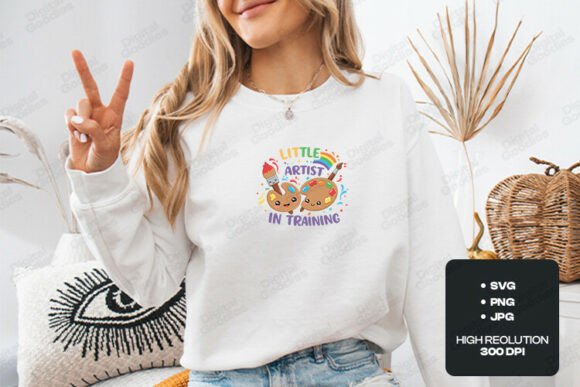
The intersection of early childhood education and creative expression often leads parents, educators, and crafters to seek out designs that celebrate imagination. Among the popular options available for personalization projects, the Little Artist in Training Cute Design has emerged as a versatile graphic asset. This design typically features a cartoon-style composition including smiling paint palettes, a paintbrush, colorful splashes, and a rainbow. While the aesthetic is undeniably charming, understanding its technical specifications, ideal use cases, and potential limitations is essential for making an informed purchasing or usage decision.
Understanding the Design Concept
At its core, this design is a digital illustration intended for young audiences, specifically targeting children who are beginning their artistic journeys. The visual elements are curated to evoke feelings of joy, creativity, and playfulness. The inclusion of anthropomorphic elements, such as smiling paint palettes, adds a layer of character that appeals to younger demographics. The color palette generally relies on bright, primary, and secondary colors, reinforced by the presence of a rainbow motif, which serves as a universal symbol of diversity and creativity.
For those evaluating this asset, it is important to recognize that the design is not merely decorative; it functions as a thematic anchor for educational and celebratory contexts. It communicates a message of encouragement, suggesting that the act of creating art is a positive and valuable skill being developed. This makes it particularly suitable for environments where fostering a growth mindset around creativity is a priority.
Technical Specifications and File Formats
A critical factor in selecting any digital design asset is the quality and versatility of the file formats provided. The Little Artist in Training Cute Design is typically offered in three distinct formats, each serving a specific purpose in the production workflow.
- PNG (Portable Network Graphics): This format provides high-resolution output at 300 DPI with a transparent background. The transparency is crucial for overlaying the design onto various substrates without unwanted white boxes. The high resolution ensures that when printed on standard home printers or commercial presses, the image remains crisp and free from pixelation.
- SVG (Scalable Vector Graphics): As a vector file, the SVG format allows for infinite scalability without loss of quality. This is particularly beneficial for large-format prints, such as banners or wall decals, where raster images might become blurry. Additionally, vector files can be easily edited in software like Adobe Illustrator or Inkscape, allowing users to adjust colors or sizes to fit specific branding or design needs.
- JPG (Joint Photographic Experts Group): Similar to the PNG, the JPG version is provided in high resolution at 300 DPI. However, unlike the PNG, the JPG format usually includes a solid background. This can be advantageous for certain printing processes where a transparent background might cause issues with ink absorption or alignment, though it offers less flexibility for layered designs.
Ideal Applications and Use Cases
When determining whether this design aligns with your goals, consider the breadth of its applications. The versatility of the asset allows it to be utilized across multiple domains:
Educational and Classroom Settings
One of the most common uses for this design is in back-to-school preparations. Teachers may print the design on t-shirts to create a sense of community among students who share an interest in the arts. It also serves well as classroom decor, perhaps displayed on bulletin boards titled "Our Creative Corner" or used on name tags for students participating in art club.
Personalized Gifts and Merchandise
For parents and gift-givers, the design translates effectively into tangible items. Stickers and decals are a low-cost, high-impact application, perfect for decorating water bottles, laptops, or notebooks. Sublimation projects allow the design to be transferred onto tote bags, aprons, and mouse pads, making them practical accessories for young artists.
Digital Planning and Organization
Beyond physical goods, the high-resolution PNG and JPG files are suitable for digital planners and posters. Educators and parents can incorporate these images into digital schedules to visually organize art-related activities or to create motivational wallpapers for tablets and computers used in remote learning.
Evaluating Benefits and Tradeoffs
While the Little Artist in Training Cute Design offers numerous advantages, a balanced evaluation requires acknowledging potential tradeoffs.
Benefits
- Versatility: The availability of both raster and vector formats ensures compatibility with a wide range of printing technologies, from home inkjets to professional heat presses.
- Emotional Appeal: The cute and engaging aesthetic resonates strongly with children, increasing the likelihood that they will engage positively with the product or environment featuring the design.
- Cost-Effectiveness: Digital downloads eliminate shipping costs and allow for unlimited reproductions, making them economical for small-scale businesses or individual hobbyists.
Considerations and Limitations
- Copyright and Licensing: Users must carefully review the licensing terms associated with the purchase. Most digital designs come with restrictions on commercial use, resale, or redistribution. Violating these terms can lead to legal complications.
- Design Specificity: The highly specific "cute" aesthetic may not appeal to all audiences. Older children or more minimalist design preferences might find the style too juvenile. It is essential to assess the target demographic before committing to this design.
- Printing Quality Dependency: While the files are high resolution, the final output quality depends heavily on the printing equipment and materials used. Poor substrate choice or incorrect printer settings can diminish the vibrancy of the colors and the clarity of the details.
Alternatives and Decision-Making Insights
If the Little Artist in Training Cute Design does not fully meet your requirements, several alternatives may be worth considering. For instance, if you require a more sophisticated or abstract representation of art, you might look for designs featuring realistic brushstrokes or monochromatic palettes. If your project involves complex layering or animation, seeking out PSD (Photoshop) files with editable layers would provide greater control than static PNGs or SVGs.
To determine if this design is the right fit, ask yourself the following questions:
- Who is the end user? Is the audience primarily preschoolers or early elementary students? If so, the cute cartoon style is likely appropriate.
- What is the production method? Do you have access to sublimation printers or vinyl cutters? The SVG and PNG formats are optimized for these technologies.
- What is the budget? Digital assets offer a one-time cost, but ensure that the price reflects the commercial rights you need.
Conclusion
The Little Artist in Training Cute Design represents a solid choice for those looking to inject a sense of playful creativity into their projects. Its combination of appealing visuals, diverse file formats, and broad applicability makes it a valuable asset for educators, parents, and crafters. By carefully weighing its benefits against potential limitations regarding licensing and aesthetic preference, users can make a confident decision that aligns with their creative and practical goals. Whether used for classroom decor, personalized gifts, or commercial merchandise, this design provides a reliable foundation for celebrating the joy of artistic expression.